
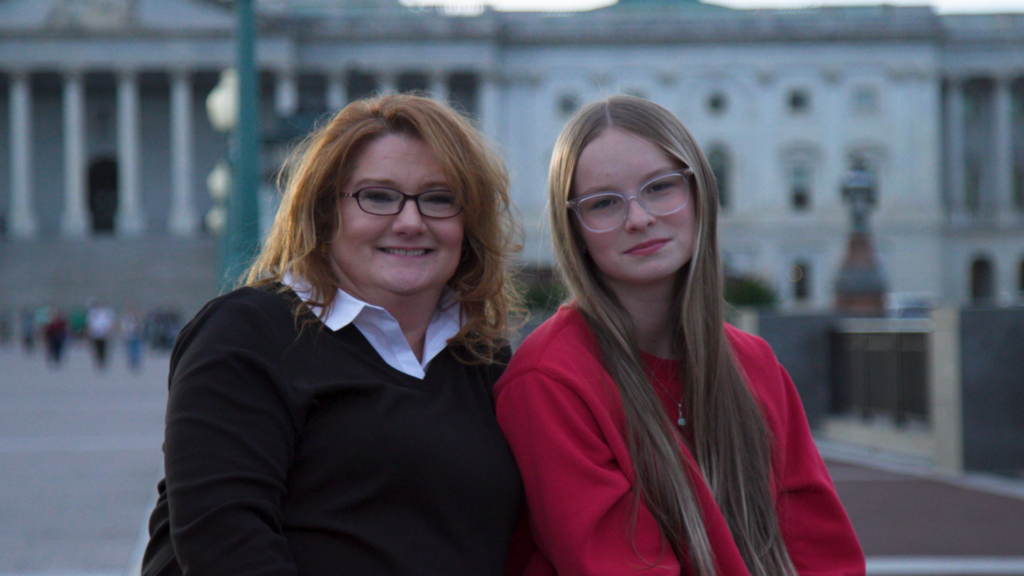
By Heather Jackson
In January, I sat beside my 15-year-old daughter Becky at the United States Supreme Court, listening to our country’s highest court debate her future. She is at the center of a national legal battle that will affect transgender kids like her across the country—kids who just want to be themselves, playing the sports they love with their friends. She is so young to be carrying something so big. Watching her bear the burden of our home state’s discrimination against her breaks my heart. Watching her rise to it with bravery and wisdom beyond her years fills my heart ten times over.
The court will issue its ruling soon. Whatever that decision brings, I believe we all want the same thing for our kids: For them to be loved, to give love, and to do what they love.
Becky fell in love with running at a young age, with her whole self and without reservation. When she started running cross country, she was always last or next to last, but she didn’t care. She got to run and be with her friends, and that was all that mattered.
For me, there is no greater joy than seeing her big, beautiful smile when she’s out on the field. That smile makes everything—the early morning meets and late night practices, the hundreds of miles we drive across West Virginia for competitions, all the time spent freezing or sweating in the stands—worth it.

I wish I could say I feel nothing but pride and joy watching her compete. But I also have a pit in my stomach. Because spectators are often protesting, threatening, or trying to get into her head. Adults seek her out on the field and the sidelines, trying to shake her up by purposefully using the wrong pronouns or a name that is not her legal name.
These are parents and grandparents who, rightfully, wouldn’t want the same thing done to their children. They would do anything to protect their own children from harm. But somehow, they justify behaving this way toward someone else’s child. That scares me.
I’ve been around long enough to know where this kind of ugliness can lead. My age comes with cynicism. Becky, for her part, wants to see the good in people. She goes looking for it even when the people around her have given her every reason not to. Becky has taught me to smile at anger, because that’s what she does. She always says, “Don’t judge them like they judge us.”
We all like to think we respond with such grace. Watching Becky makes me realize I have much to learn. She is showing all of us what it looks like to lead with love and acceptance instead of hatred and fear. How desperately we need that right now.
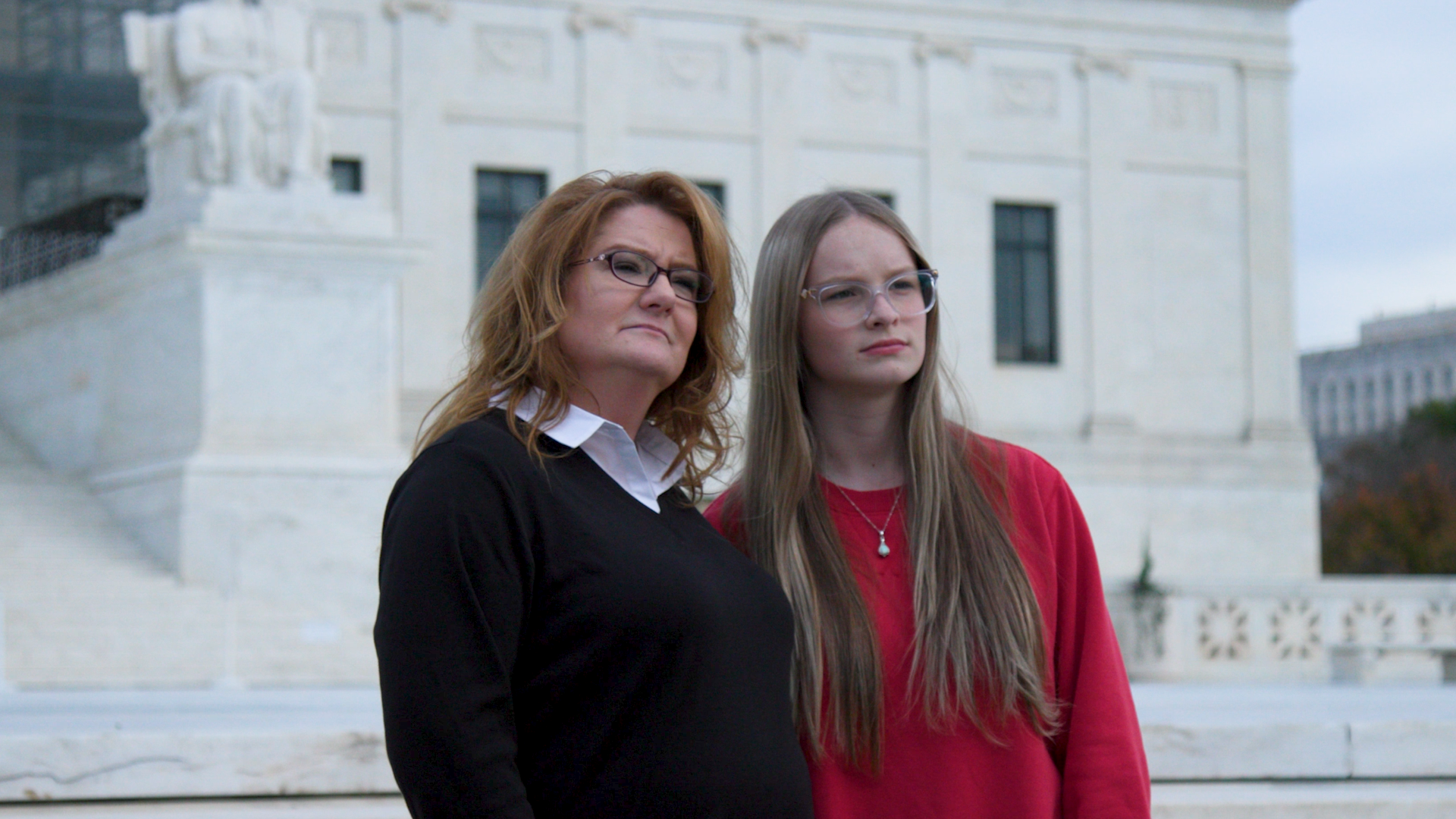
Mother’s Day, a day to celebrate a mother’s love and the children we’ve raised, arrives this year against a haunting backdrop. The overt hate that has become so normalized in our society is hurting all of our children, but it is directed most often and most viciously at our LGBTQ+ kids. These children are led to believe their identity is wrong. They hear the negativity, the jokes, the slurs, the discriminatory policies. The silence of the adults who should be their allies is deafening.
Today, I am thinking about the mothers who grieve because hate took a child from them. It is a powerful reminder that my child’s heartbeat is a gift, but her safety is never guaranteed. I am also thinking of all the children who are not my own, but who deserve to know that they are not broken. They are not mistakes. They are simply themselves—and heck, they are downright miracles.
No matter what the court decides, every parent and every adult still gets to decide how we treat our children—whether they feel seen, whether they feel loved, whether they know they belong. Love is the legacy we pass on, not just to our own kids but to every child.
On this Mother’s Day, let it be the one we choose.
Learn more about Becky’s Supreme Court case, West Virginia v. B.P.J., by heading here.