

By Whit Washington, Eileen A. Ryan Senior Attorney for the Nonbinary & Transgender Rights Project
Frances Thompson was a free Black transgender woman living in Memphis, Tennessee, in the fragile aftermath of the Civil War. It was a time when transgender and gender-diverse people were systematically erased from the law and historical record, even as they lived, worked, and built community in plain sight.
Ms. Thompson was part of a newly emancipated community striving for stability, dignity, and self-determination in a country still hostile to Black freedom. In 1866, that tenuous peace gave way to violence. Over three days during the Memphis Race Riot of 1866, white mobs terrorized Black neighborhoods.
The violence was meant to intimidate. To silence. To reassert control.
But Ms. Thompson would not be silenced.
Ms. Thompson did what the system was designed to prevent. She spoke truth to power. She stepped into a forum never meant for her and testified before Congress, naming the violence inflicted upon her and her community. In a nation structured to deny her personhood on both fronts — anti-Black and anti-trans — where the law criminalized, and sanctioned violence against her existence, she did not ask to be recognized. She insisted.
That insistence matters. Then. And now.
Ms. Thompson’s testimony was more than an act of courage, it was an act of record-making. She ensured that what happened in Memphis could not be denied, ignored, or rewritten without confronting her truth. She spoke directly into the machinery of government and forced it to account for her existence.
That is what speaking truth to power looks like.
And it is not confined to history.
The Law Still Asks: Who Will Speak?
Today, many of the most consequential decisions affecting LGBTQ+ people and other marginalized communities are not made in courtrooms, but through administrative agencies. An administrative agency is a government body, created by Congress and housed within the executive branch, tasked with implementing and enforcing laws by developing the detailed rules and policies that give those laws practical effect. These agencies write and enforce the rules that govern access to healthcare, define conditions of confinement, protect people from discrimination in housing, shape education policy, and determine who is protected under the law.
Critically, before these rules are finalized, agencies must open them to public input.
This is not a procedural formality. It is a legal requirement.
And it creates a space, often overlooked, but deeply powerful, where individuals can demand to be heard.
Regulatory Comments: A Tool for Accountability
When an agency proposes a rule, it must publish that proposal and provide an opportunity for public comment. During this period, anyone can submit a written response.
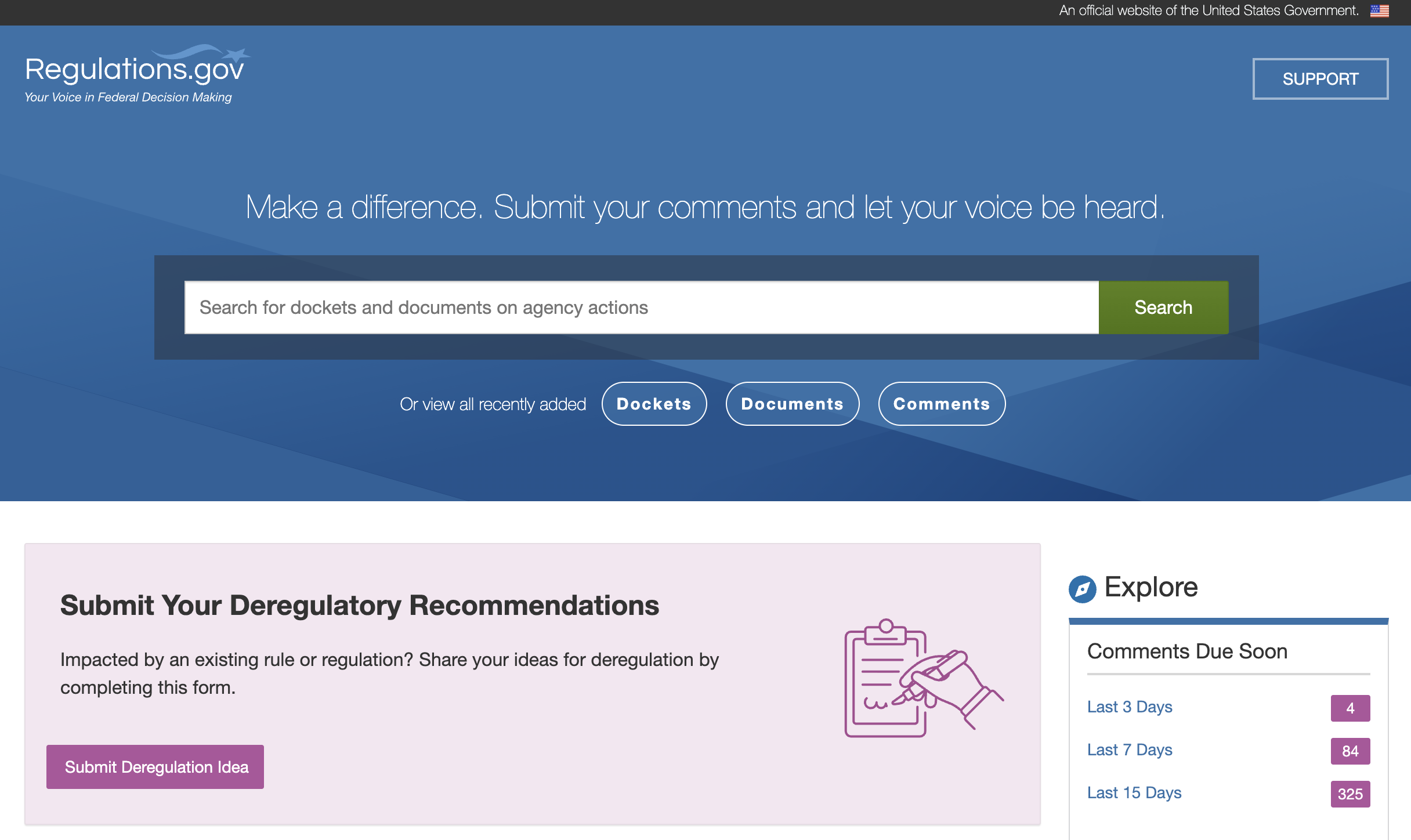
These submissions — “regulatory comments” — become part of the official administrative record. That record is not symbolic; it is binding. Agencies are required to consider significant comments and respond to them. If they fail to do so, courts can invalidate the rule.
In this way, regulatory comments function as a critical check on government power. They ensure that agencies cannot act in a vacuum, and that the real-world impacts of their decisions are placed squarely before them.
Like Ms. Thompson’s testimony, a comment is a way of forcing truth into the record, of ensuring that harm is documented and that those in power cannot claim ignorance.
Reclaiming Power in the Administrative Process
At a time when many feel excluded from traditional avenues of power, the regulatory process offers something different: direct participation in the making of law.
Submitting a comment is not simply engagement, it is reclamation. It is a way of asserting that your experience is relevant, your community is visible, and your voice must be considered.
It is one way to carry forward Ms. Thompson’s legacy, not only by remembering her, but by acting in the spirit of her insistence.
How to Submit a Regulatory Comment
Engaging in the regulatory process does not require legal training. It requires clarity, specificity, and a willingness to speak.
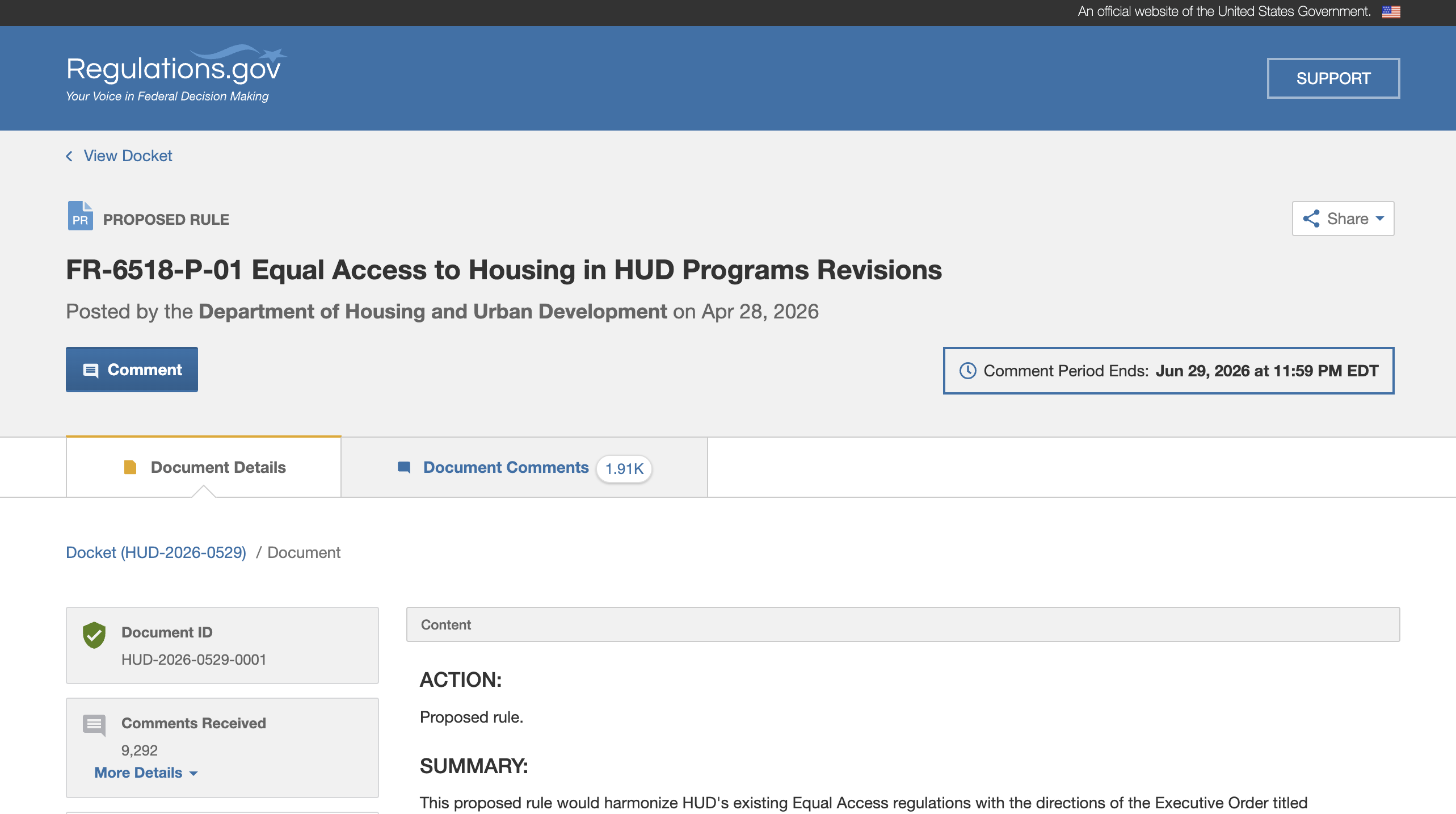
1. Identify the proposed rule.
Locate it on Regulations.gov or in the Federal Register. Review the summary and key provisions.
2. Explain the impact.
Describe how the rule will affect you or your community. Agencies are required to consider real-world consequences, like harm to those impacted by the rule or its benefits.
3. State your position clearly.
Indicate whether you support, oppose, or recommend changes, and why.
4. Connect to legal protections where possible.
Reference civil rights laws, statutory obligations, or constitutional principles if relevant.
5. Offer concrete recommendations.
If a rule should be revised, explain how. You can suggest additions or changes for any part of the rule or recommend keeping helpful provisions and deleting harmful ones.
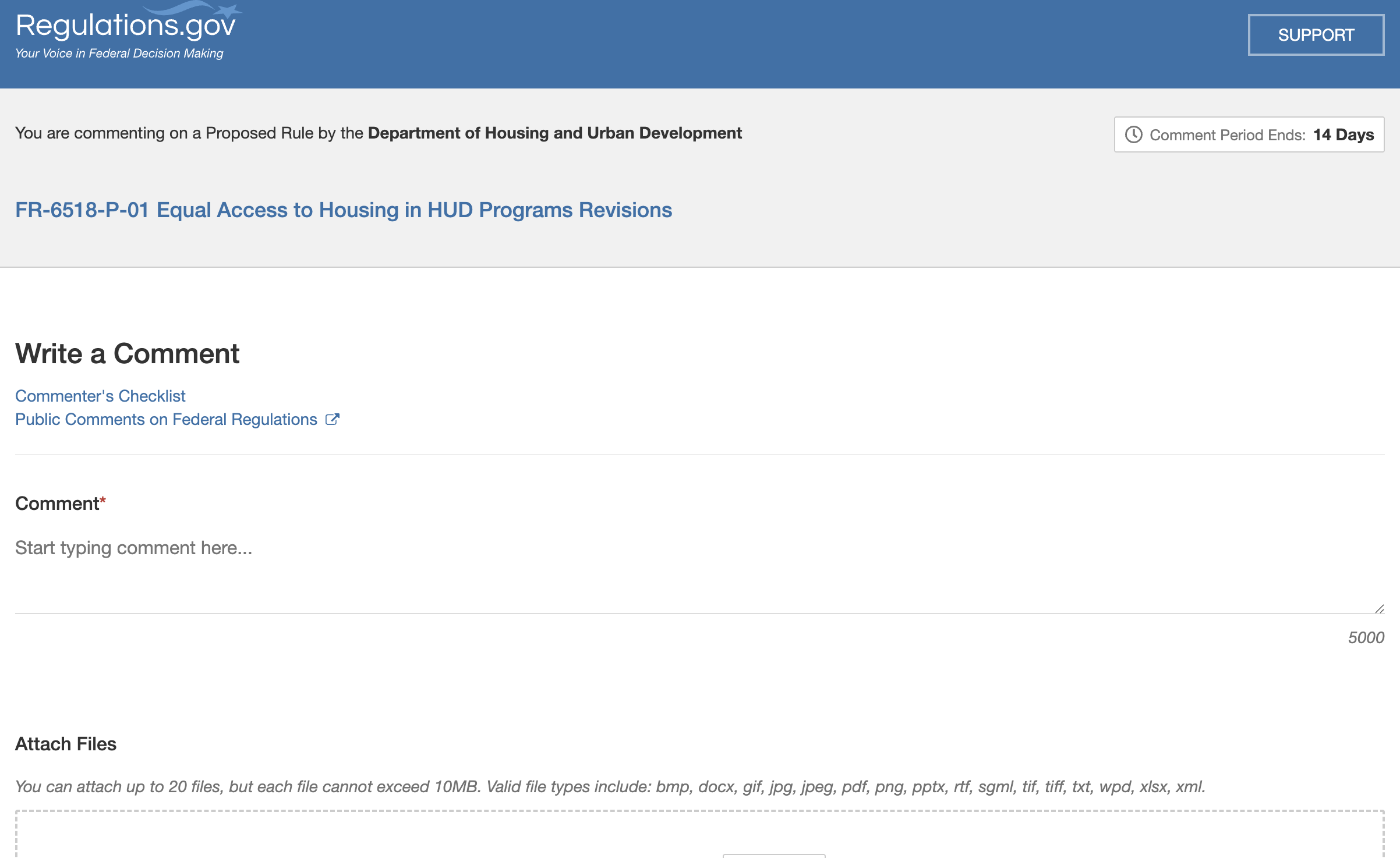
6. Submit your comment on time.
Follow the instructions provided in the notice.
7. Carrying the Record Forward
Frances Thompson refused to be erased. She placed her truth into the official record at a time when the law denied her humanity.
Today, the stakes remain urgent. Policies are being written that will shape access to care, determine rights, and define who is protected, and who is left behind.
The administrative process is one place where those decisions can be challenged, shaped, and improved.
The law is still asking: who will speak?
The answer must be us.
Because speaking truth to power is not only an act of resistance, it is an act of participation. And it remains one of the most powerful tools we have to ensure that the law reflects the realities of the people it governs.