
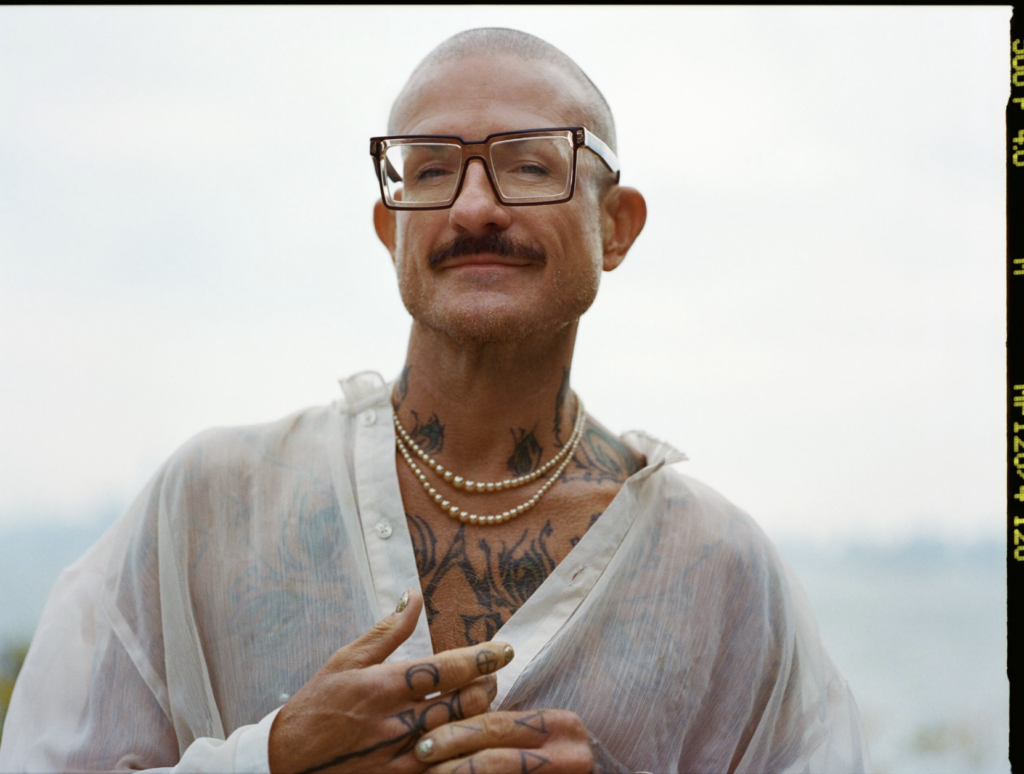
As we recognize HIV is Not a Crime Awareness Day.
By Lambda Legal Senior Content Manager Lake Geslani
For Addam Moreno, eliminating HIV stigma is not an abstract policy goal. It’s personal. It’s lived. And it’s urgent.
“I think so much of it has to do with empathy, education, and love,” says the 54-year-old Addam, who has been living with HIV since 2010. “I’ve been undetectable… and actually live a very normal, healthy life.”
On HIV Is Not a Crime Awareness Day (February 28), we are reminded that stigma still exists – and not just behind closed doors or hushed conversations. Even in 2026, decades after the start of the HIV epidemic, outdated stigma continues to shape laws, perpetuate misinformation, and reinforce shame.
But as Addam proves, it’s stories like his – and his willingness to speak up – that help dismantle stigma through truth, visibility, and courage.
“If I don’t talk about it, who’s going to?” he asks. “I’m rising and standing up for all the people out there that still live in fear of HIV.”
Growing Up with Fear
Addam came of age during the height of the AIDS crisis. For many in his generation, HIV was seen as an inevitable tragedy – or worse, a personal, moral failure.
“I grew up being terrified of having sex as a gay man,” he recalls. “The guilt and the shame… the death sentence that we were told at that point in time was really drilled into my head.”
Even with medical advancements that made viral suppression possible for most people and transformed HIV into a manageable condition, stigma persisted. But as Addam grew older, he realized he couldn’t let it dictate his life.
Upon being diagnosed in 2010, Addam gave himself time to process the news. Then he made a decision. “I think I cried for 10 minutes and then I was like, ‘Nope. On with life. I’m going to get my meds. I’m going to see my doctor. I’m going to deal with this and face it.’”
Addam started treatment immediately. He achieved and maintained an undetectable viral load, meaning he could not transmit the virus. He built a full life – as an artist, a hairstylist, a friend, a chosen family member.
“I don’t ever feel sorry for myself for having HIV,” he says.
Still, stigma showed up in other parts of his life.
The Harmful Price of Shame
“I think it’s that somehow they look at people with HIV as if we’ve done something wrong…you’re a deviant or haven’t taken care of yourself,” Addam says, reflecting on the various tense moments he’s encountered since his diagnosis.
That kind of judgment can show up anywhere – in doctor’s offices, within families, and even in dating – which was the case for Addam. He had multiple prospective partners react with anger when he disclosed his status. Their shift in tone revealed lingering misinformation about HIV and the risk of transmission.
“I couldn’t believe people were still thinking that way,” Addam recalls, especially despite clear medical evidence and science to the contrary.
People living with HIV who are on treatment and undetectable, such as Addam, can’t transmit the virus sexually – a fact known as U=U (Undetectable = Untransmittable). And medical advancements have made it possible for people living with HIV to live long, robust lives.
Even so, ongoing fears around HIV have shaped dangerous narratives, which have in turn led to the passing of dangerous laws.
When Stigma Becomes Policy
On this HIV Is Not a Crime Awareness Day, it is impossible not to consider how stigma can play a part in the creation of discriminatory policies – including in the U.S. military.
Lambda Legal has spent decades fighting discrimination against people living with HIV. In Wilkins v. Hegseth, we challenged the military’s ban preventing people living with HIV from enlisting.
Isaiah Wilkins, a young man raised in a proud military family, was barred from service despite having an undetectable viral load and being medically fit. A federal court previously struck down that categorical ban, recognizing that modern science – not archaic misconceptions – must guide policy. However, earlier this month, the U.S. Court of Appeals for the Fourth Circuit decided to reinstate the military’s discriminatory HIV enlistment ban.
The case underscores a sobering reality: even in 2026, HIV stigma still influences who is deemed not only worthy of serving their country, but worthy of humanization, period.
Criminalization and exclusion are extensions of stigma. They are rooted in the same outdated views that Addam describes – the belief that people living with HIV have done something wrong, don’t belong, or pose a threat simply by existing. It punishes people with HIV for loving and their health status rather than their conduct, and reinforces stigma instead of advancing public health and dignity.
The Power of Reclaiming the Narrative
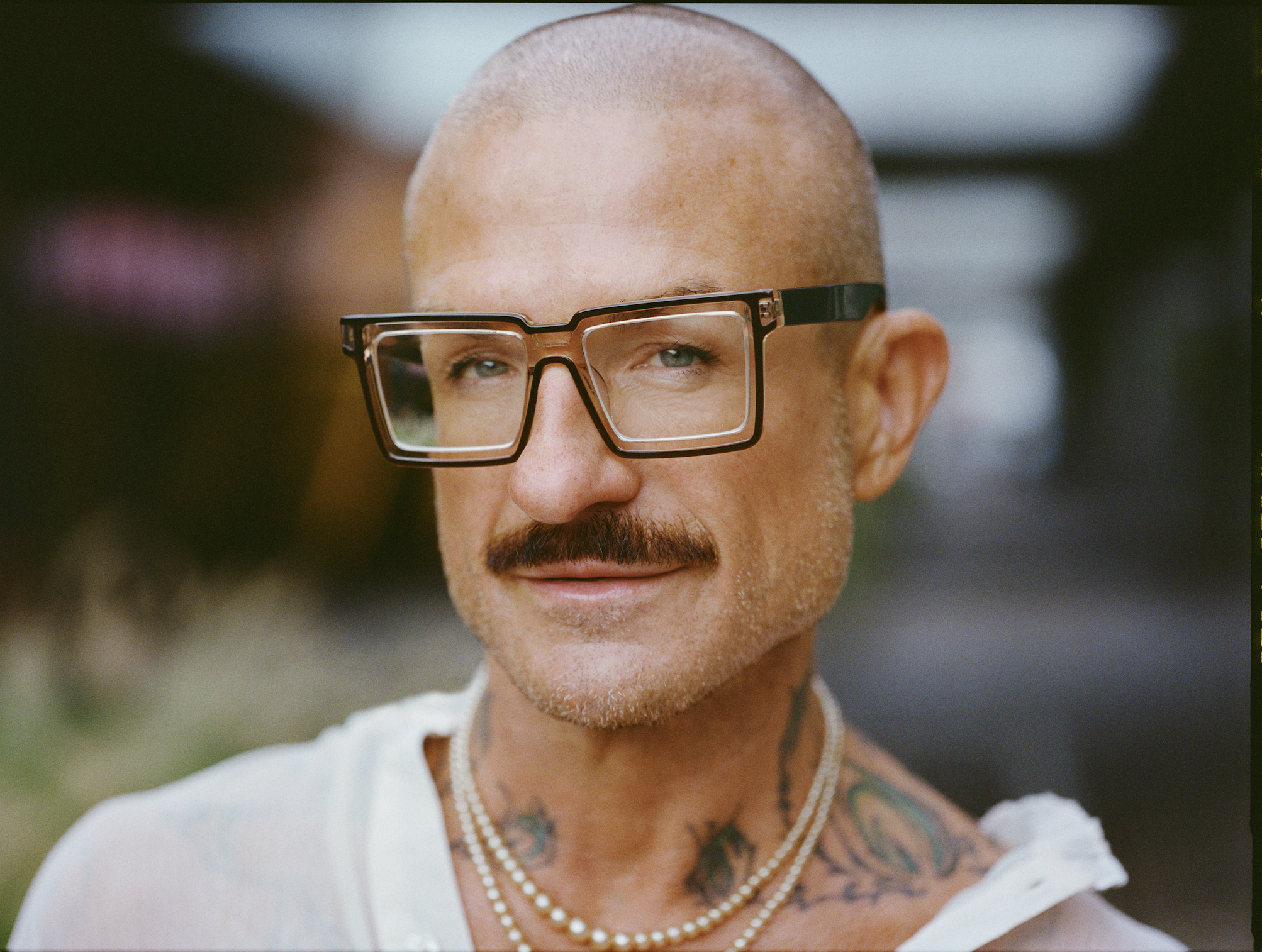
Addam’s response to stigma has been intentional visibility.
“I believe that words are power,” he says. “We create magic and manifest the world around us – and we have to lead it with love.”
When he decided to tell his conservative family about his status during COVID, he approached it strategically. He sent them educational materials first.
“Do your research before you say anything to me.”
They did. And they responded with support.
Once everyone in Addam’s circle – friends, lovers, and family – knew, it really helped him come to terms with his status. “Over the last eight years, I’ve grown up a lot and have really found this inner peace.”
For Addam, eliminating stigma requires both internal and external work, leaning into truth, empathy, and education. It also requires people living with HIV to be seen as the whole human beings that they are – not their diagnoses.
Rising for Those Who Can’t
Last fall, Addam joined Lambda Legal’s nationwide All Rise campaign. He and a cast of individual members of the LGBTQ+ community are featured to represent the diverse work and folks impacted by Lambda Legal’s efforts every day. The campaign seeks to raise awareness and funds during this time of unprecedented legislative attacks on the LGBTQ+ community. When asked who he is rising for, Moreno doesn’t hesitate.
“I am standing up for all the people out there that can’t have this conversation,” he says.
“For the people in other parts of the country who don’t have access to health care the way I do.”
“I’m rising up so that younger generations don’t have to go through this.”
“I know what my story is, and I’m sharing it because it needs to be heard.”
That is the heart of HIV Is Not a Crime Awareness Day.
It’s about understanding that HIV is a medical condition – not something to criminalize or pass moral judgment on. It’s about ensuring that laws reflect science not stigma and are based in facts not fear.
And it’s about recognizing that people living with HIV deserve what Addam claims every day: dignity, opportunity, and the freedom to live fully and visibly – without shame.
To learn more about HIV and HIV discrimination, head to Lambda Legal’s comprehensive HIV Know Your Rights resource. Join our All Rise campaign by donating today.