

By Lambda Legal Senior Content Manager Lake Geslani
When Becky Pepper-Jackson laced up her running shoes, she wasn’t thinking about court cases or political debates.
Like countless young athletes across the country, she simply wanted to be part of a team, compete alongside her friends, and proudly represent her school.
Instead, Becky found herself at the center of a legal battle after West Virginia passed HB 3293, a law banning trans girls from participating in school sports. With Lambda Legal, the ACLU, and other co-counsel by her side, Becky and her mother Heather challenged the ban, arguing that trans youth deserve the same opportunities as their peers to learn, grow, and thrive through athletics.
Although the U.S. Supreme Court ultimately decided to let the ban stand, Becky’s story continues to illuminate what is truly on the line in these debates. Her case was never just about one student or one state. It was about whether young people should have access to the same opportunities, friendships, and life lessons that sports provide millions of other kids.
Because sports are about more than competition — they’re about belonging.
The Life Lessons That Sports Teach
Young athletes consistently describe sports as one of the most formative parts of their lives — not because of wins or losses, but because of what they learn about themselves and others.
“Sports in general has given me the necessary tools to be hard working in life… to be resilient and unstoppable in any situation that life gives me,” said one participant in Lambda Legal’s “What Sports Teach” campaign.
Another reflected on the deeper meaning of being a good teammate: “Sports made me a better community member, a more compassionate person, and a stronger critical thinker.”
Sasha Buchert, Counsel and Nonbinary & Trans Rights Director at Lambda Legal and a longtime athlete and advocate, has experienced these lessons firsthand while out on the field, as she noted in her essay, “I’m Trans and Playing Sports Changed Me for the Better.”
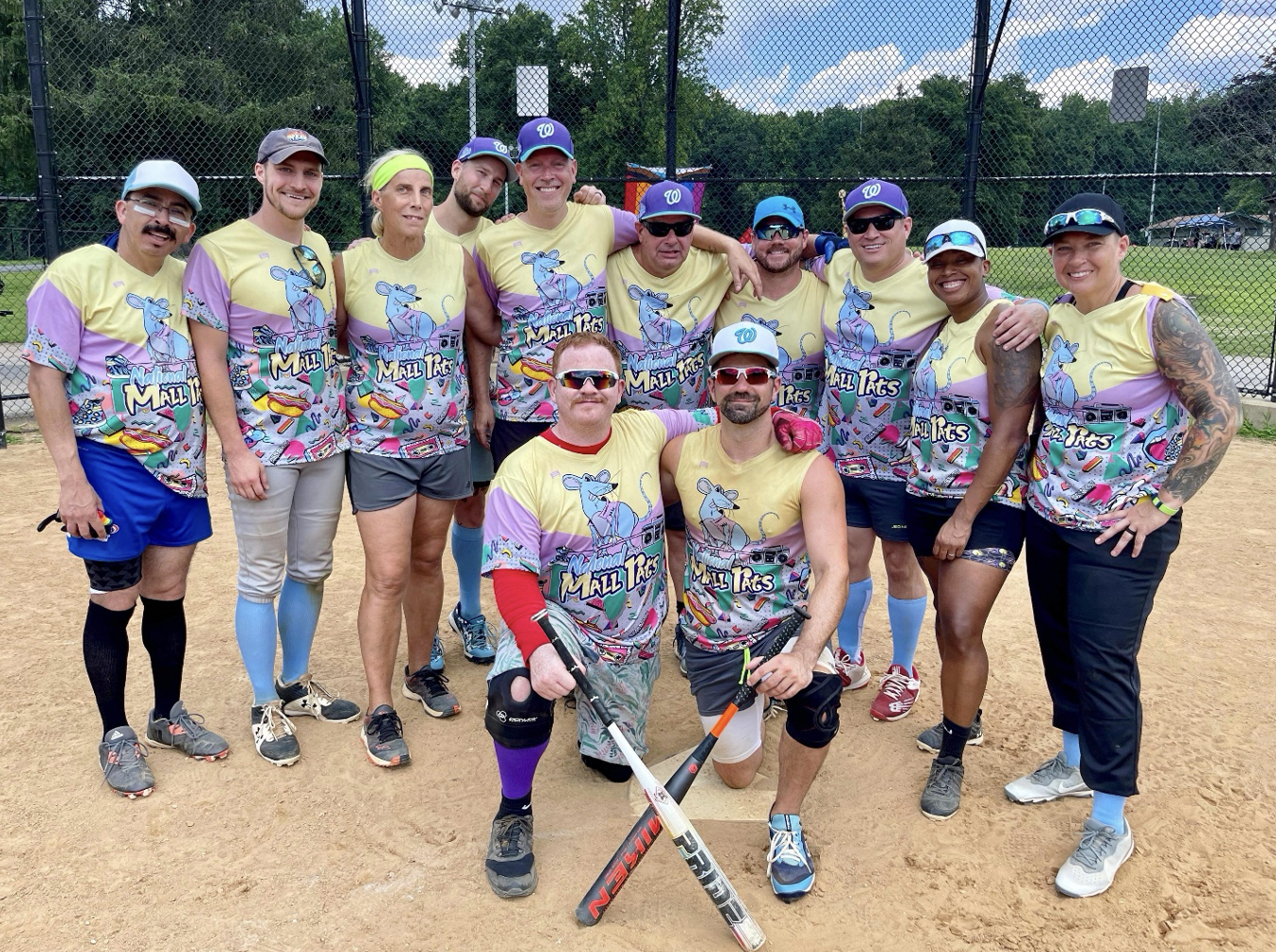
Buchert wrote that athletics taught her “friendship, teamwork, communication, leadership skills, composure, confidence, patience, dedication, and resilience.”
A Place to Belong
For many athletes, the most meaningful part of sports isn’t winning. It’s connection.
“Some of my closest friendships have come through sports,” Buchert wrote.

Carl Charles, Elayne Cassidy Nicholas Memorial Counsel for Trans and Nonbinary Rights at Lambda Legal, described a similar experience growing up as a gender-nonconforming young person.
“Being an athlete created friendships that made navigating the social challenges of high school as a gender-nonconforming young person less painful,” he wrote in his essay, “Trans People Need Sports, and Sports Need Them.”
That sense of belonging is echoed throughout the stories athletes share.
“Some of the most important people in my life were the coaches, teammates, and adults who made space for me before I fully understood myself. They helped me feel like I belonged, and that changed the course of my life,” one person said through the “What Sports Teach” campaign.
Another participant shared: “I played basketball growing up to be part of a team, and for the love of the game. It was not about the best player, but how well we could work together to get the ball down the court.”
Sports has the power to rally young people around a common goal and teach them how to work together through success and failure alike.
The Cost of Exclusion
When trans youth are pushed out of sports, they lose access to friendship, mentorship, teamwork, leadership opportunities, and the everyday moments that help young people grow into themselves.
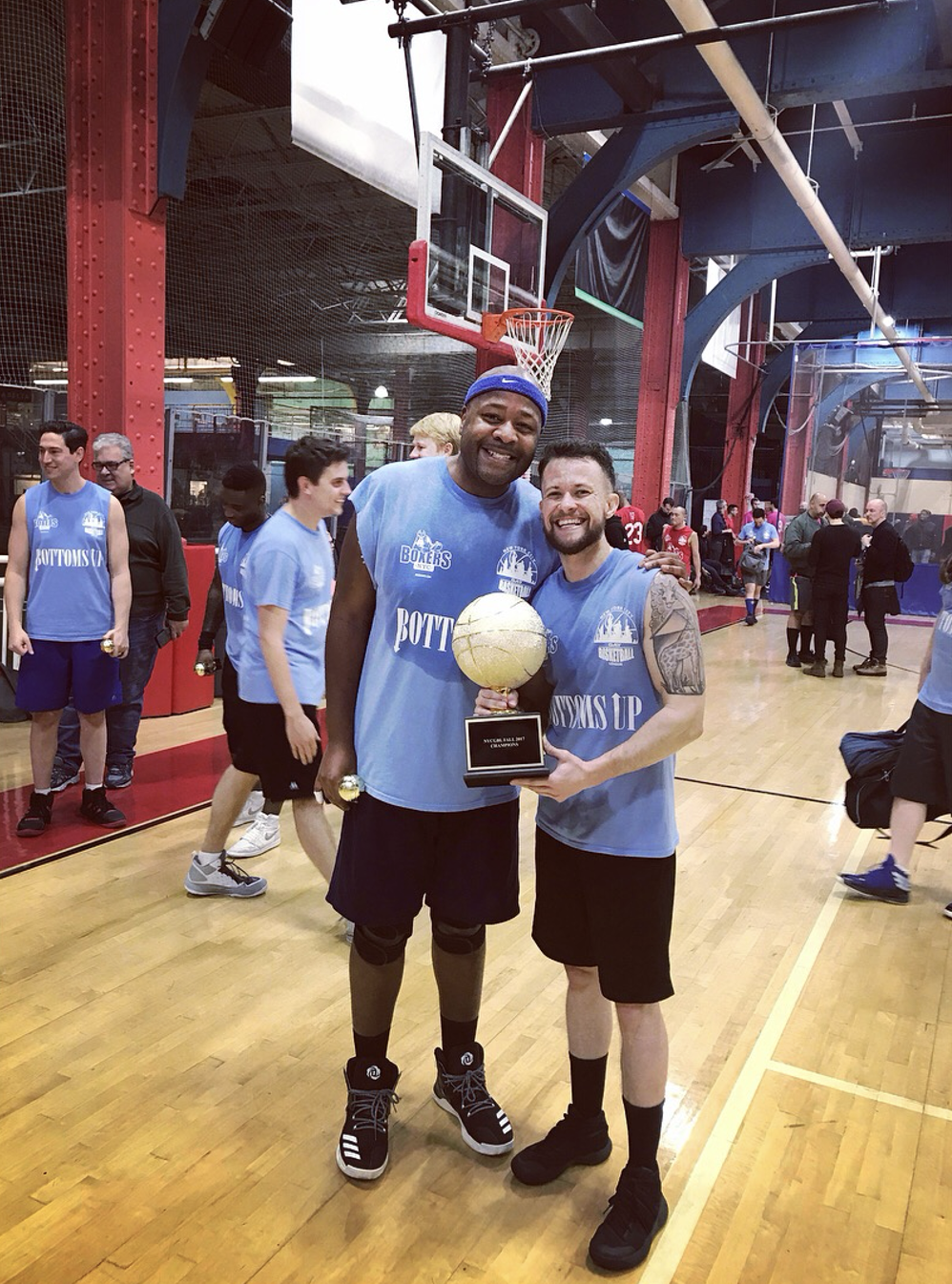
As Charles wrote, exclusion means losing “the numerous and well-documented positive benefits that flow from athletic participation.”
Buchert put it even more plainly: “When we exclude transgender youth from sports, we exclude them from much bigger things like society, culture, and connection.”
“Having a team around me was like an extra family. And building physical/mental strength helps me to this day when I’m doing any task or activity,” one “What Sports Teach” participant said. “I would be a different person without sports.”
Another added, “Playing for 10+ years shaped me into an adult who’s capable of striving for more, losing gracefully, and being a good friend and teammate. I would not be half the person I am without the opportunity to play.”
For some young people, sports can even be a lifeline. Charles recalled how athletics gave him “an outlet for a difficult home life” and provided “a place of structure, consistency, and fairness.”
The Fight Continues
The Supreme Court may not have decided Becky’s case the way she deserved. But the stories shared by athletes across the country make one thing clear: sports change lives.
They teach resilience, confidence, teamwork, and leadership. They create friendships and build communities. They help young people discover who they are and where they belong.

These lessons belong to every young person, including trans youth.
Becky’s courage helped remind us what’s at stake when trans young people are excluded from sports. Her story, and countless others, affirm that this fight has always been about more than competition.
Lambda Legal’s work in B.P.J. v. West Virginia was about fighting for a future where every young trans person can learn, grow, thrive, and belong through sports. And our fight continues until that’s the reality.
Head over to Together We Win to learn more about this case, check out resources for trans youth, and find local activations and rallies in your area.